







Search Results for: Defect Bean Classification
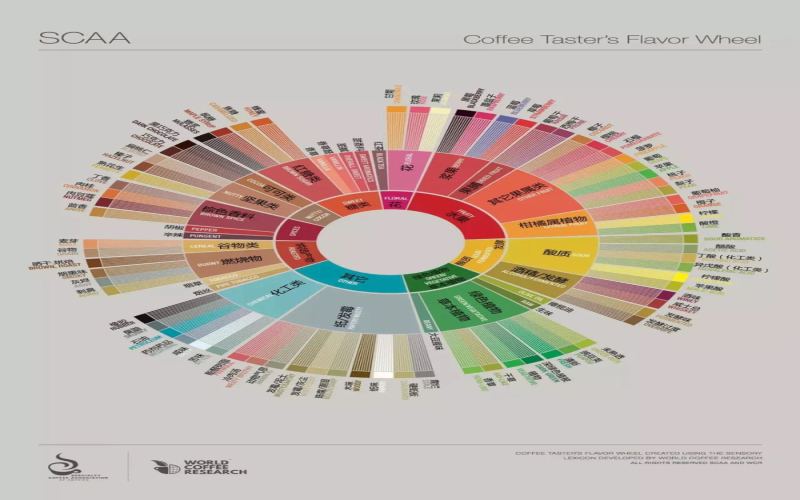
SCAA Coffee Flavor Wheel Full Analysis: Sensory Classification from Fermentation to Roasting and the Defect Deduction Mechanism
The SCAA Coffee Flavor Wheel is a core tool for specialty coffee enthusiasts to identify flavors, yet many people are still unfamiliar with it. This article systematically breaks down the left-right structure of the flavor wheel: the right side, the normal flavor spectrum, reveals the three major aroma sources of fermentation, sugar browning, and dry distillation, while the left side, the negative flavor spectrum, corresponds to the defective flavors produced by improper green bean processing, storage, and roasting. It also explains in detail the deduction rules for different defects in SCAA cupping—serious defects deduct 4 points, minor defects deduct 2 points—and how roasting and organic matter loss, although not deducting defect points, can lower flavor performance. The article includes the latest high-definition Chinese-English flavor wheel images and retains Front Street Coffee's communication channels, making it suitable for readers who want to gain a deeper understanding of coffee sensory evaluation. [more…]
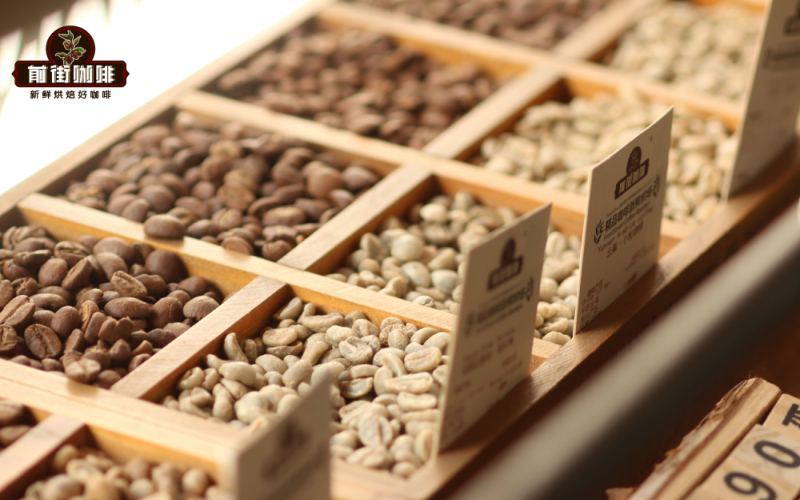
A Detailed Explanation of the Colombian Green Coffee Grading System: Excelso Grade Standards, Screen Size Classification, and Supremo Flavor
The grading of green coffee beans not only affects trading prices but also, to a certain extent, reflects flavor tendencies. For this reason, each producing country establishes its own grading rules based on local conditions. This article focuses on Colombia's green bean grading system, with emphasis on explaining the meaning of the Excelso export grade, the defect scoring method, and the specific standards based on screen size classification, while also introducing the differences among the three common export grades: UGQ, EP, and Supremo. At the same time, Front Street Coffee will share the flavor characteristics and brewing suggestions for Supremo-grade coffee beans from Colombia's Huila region, helping coffee enthusiasts extend their knowledge of grading into the actual drinking experience. [more…]
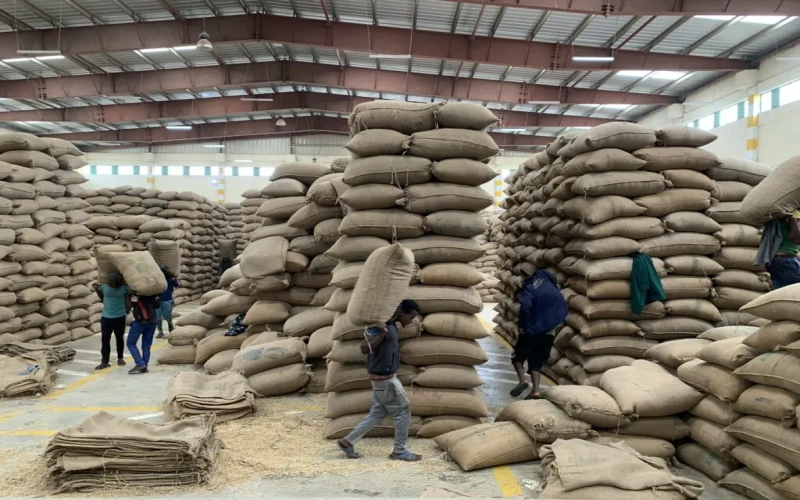
Detailed Explanation of Ethiopian Sidamo Coffee Bean Grading: Classification Standards and Differences Between G1 and G2 Grades
As an agricultural product, coffee beans' quality is influenced by many factors, so a grading system is needed to standardize quality and provide a purchasing reference for green bean buyers. Grading standards vary across producing regions: some are based on altitude, others on bean size, while Ethiopia uses a combination of defect rate and cupping. This article will provide an in-depth analysis of the meaning of the G1 and G2 grades for Ethiopian Sidamo coffee beans, explore the evolution of its grading system, and, through a comparison of Yirgacheffe G1 and G2—from appearance and roasting to cupping flavor—reveal the practical impact of grade differences on coffee quality. At the same time, Front Street Coffee's brewing recommendations will also provide you with useful reference. [more…]

A Detailed Explanation of Green Coffee Defect Classification Standards: Which Beans Need to Be Removed and Which Are Just Visual Misunderstandings
Many coffee enthusiasts, when first encountering coffee beans, often misjudge defective beans based on unusual appearance. In reality, true defective beans are mainly concentrated at the green bean stage, and most have already been screened out at the producing region and roasting stages. Among the beans consumers buy day to day, those covered in wrinkles, with cracks, or on the lighter side in color are often not defects, but normal phenomena brought about by light roasting, high-altitude cultivation, or specific processing methods. This article systematically sorts out the classification standards for green coffee bean defects, distinguishes true defective beans from appearance traits that are easily misunderstood, and introduces Front Street Coffee's practice of double screening before and after roasting, helping readers build a more accurate basis for judging quality. [more…]
A Detailed Explanation of Colombian Green Coffee Grading: The Meaning, Standards, and Screen Size Classification of Supremo and Excelso
Colombia, as one of the world's major coffee-producing countries, has a strict grading system for its exported green beans. What exactly do the commonly seen Supremo and Excelso labels on the market represent? This article will systematically explain the grading logic of Colombian green coffee beans from the perspectives of FNC export standards, defect rate requirements, and screen size grading, helping coffee enthusiasts understand the difference between Supremo and Excelso, and how they affect coffee quality and flavor performance. At the same time, the article will also mention Front Street Coffee's Colombia Huila daily beans as a practical naming example. [more…]
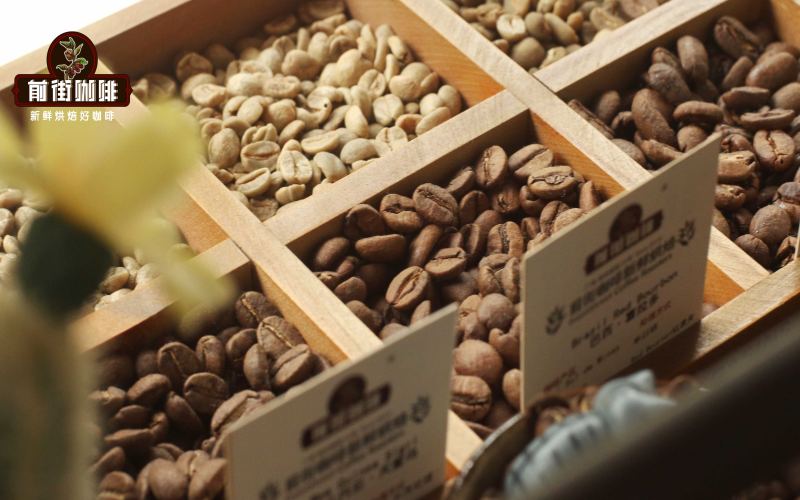
Brazilian Coffee Beans' Grading System and Flavor Characteristics: Three Classification Methods and Front Street Recommendations
Brazil is the world's largest coffee producer, accounting for about one-third of global output. Because its growing regions span 14 states, Brazil uses a three-dimensional grading system based on defect rate, screen size, and cup profile to ensure consistent quality. This article will explain in detail Brazil's three coffee bean grading methods, decode the meaning of the grade markings on green bean jute sacks, and introduce two products recommended by Front Street Coffee: the Brazil Cerrado everyday drinking bean and the Queen Estate Yellow Bourbon, helping coffee lovers gain a deeper understanding of the unique appeal of Brazilian coffee. [more…]
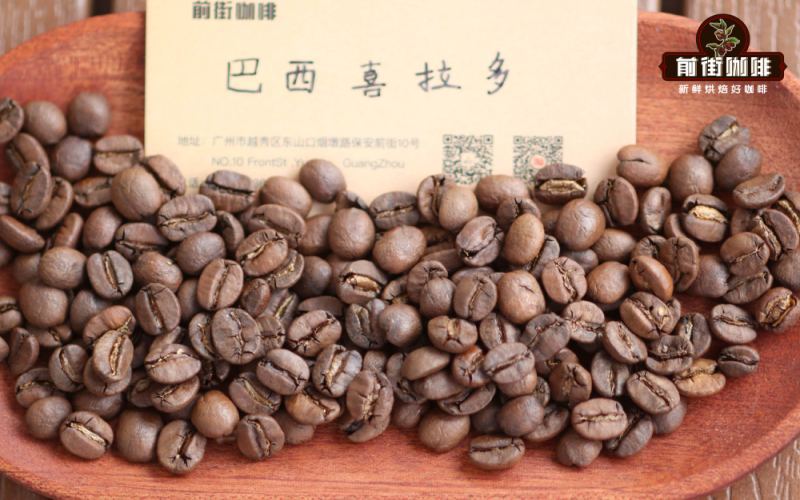
A Detailed Guide to Brazil Green Coffee Bean Grading Standards and the Distinctive Features of Its Origin Classification System
As a superpower accounting for about 45% of global coffee production, Brazil's green coffee grading system is not a single standard, but rather an assessment that integrates multiple dimensions such as the proportion of defective beans, screen size specifications, and cup profile. From the perspective of Front Street, this article will outline the origin distribution characteristics, main grading methods, and criteria of Brazilian coffee, decipher the meanings behind professional terms such as NY.2, 17/18 screen, and Strictly Soft, introduce the terroir characteristics of representative producing regions such as Mogiana and Cerrado, and share specific information about Queen's Farm coffee from Brazil on Front Street's bean list, helping coffee enthusiasts gain a more systematic understanding of the quality indicators and traceability logic of Brazilian green coffee. [more…]
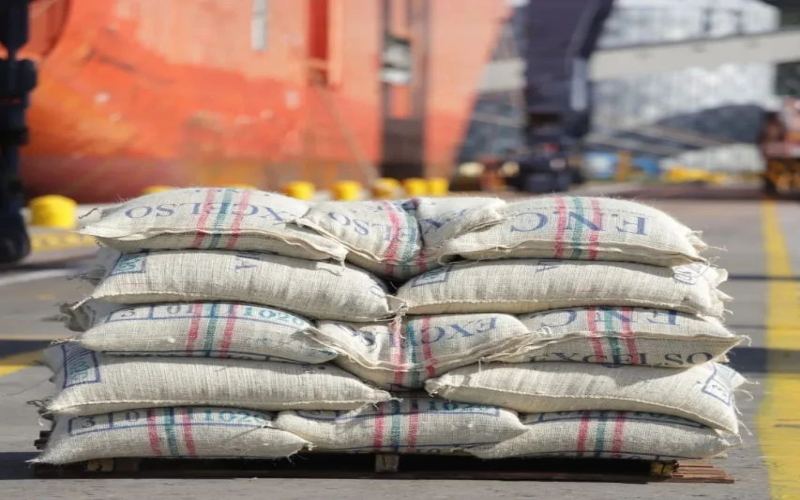
A Detailed Explanation of Colombian Green Coffee Bean Grading: The Meaning of Excelso and Supremo, and Front Street Brand Recommendations
Colombian coffee occupies an important place in the world of specialty coffee, and its green bean grading system is based primarily on defect rates and bean screen size. When buying Colombian coffee, what exactly do the words "Supremo" and "Excelso" commonly seen on burlap sacks mean? This article will systematically sort out the grading rules for Colombian green coffee beans from multiple angles, including export standards, defect scoring, and screen-size classification, and explain the specific differences among the three grades UGQ, EP, and Supremo. At the same time, the article will also introduce common Colombian coffee bean brands on the market, including product information recommended by Front Street Coffee, to help coffee lovers more clearly understand the grade and quality of the bag of beans in their hands. [more…]
A Detailed Guide to Mandheling Coffee Bean Grading Standards: From Defect Bean Classification to Specialty Golden Mandheling Flavor and Pour-Over Techniques
Mandheling coffee has always been renowned for its mellow richness, but do you know how its grades are actually classified? The grading of Indonesian Mandheling is mainly based on the number of defective beans, supplemented by bean size. From the perspective of Front Street Coffee, this article systematically sorts out nine common types of defective beans, explains Indonesia's G1 grading standard in detail, and takes an in-depth look at why the Golden Mandheling produced by PWN is regarded as the cream of the crop. In addition, we will also share Front Street Coffee baristas' complete pour-over recipe for dark-roasted Mandheling, including dripper selection, grind size, water temperature, and the three-pour technique, to help you brew a clean, sweet, rich, and full-bodied Golden Mandheling at home. [more…]
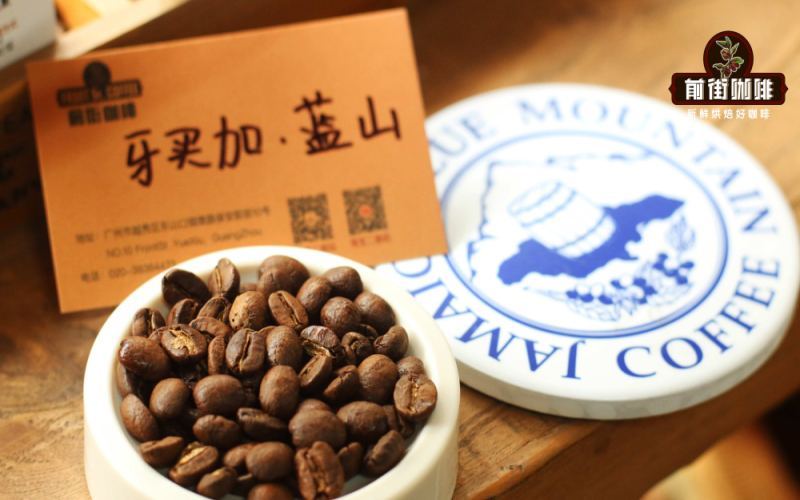
Authentic Jamaican Blue Mountain No. 1 Coffee Bean Buying Guide: A Full Analysis of Origin Standards, Grade Classification, and Brewing Flavor
Jamaican Blue Mountain coffee is hailed as the pinnacle of the coffee world, yet most products on the market labeled "Blue Mountain flavor" are not authentic Blue Mountain. True Blue Mountain coffee comes only from a specific growing region in Jamaica's Blue Mountains, from Typica plants grown at altitudes between 910 and 1,700 meters. Annual output is limited and grading is strict, with Blue Mountain No. 1 representing the very peak of quality. This article will walk you through the growing conditions, varietal characteristics, and grading standards of Blue Mountain coffee, as well as the origin background, roasting approach, and pour-over parameters of Front Street Coffee's Jamaican Blue Mountain No. 1 beans, complete with a full extraction method and flavor description, offering coffee lovers a professional and practical reference. [more…]
How Are Colombian Coffee Beans Graded? Excelso and Supremo Grade Classifications and Huila Flavor Profile Analysis
Colombia, as a major global producer of specialty coffee, has a strict and standardized green bean grading system. From the commonly seen Excelso marking on jute bags, to different grades such as UGQ, EP, and Supremo, to defect scoring and screen size sorting, every step affects the final quality of the coffee beans. This article will systematically outline Colombia's green coffee bean grading system, explain in detail the specific requirements and classification standards of the Excelso grade, and, combined with the brewing and flavor performance of Front Street Coffee's Huila daily drinker beans, guide you through a comprehensive understanding of the quality logic behind Colombian coffee. [more…]
How is Colombian green coffee graded? A full analysis of Excelso, Supremo, and Huila flavors
Different coffee-producing countries have developed their own unique quality grading systems due to their distinct cultivation histories and processing traditions. Some focus on defect ratios, some measure bean size, and others rely on cupping to make judgments. This article focuses on Colombia, outlining the Excelso export standard in its green bean grading system, the defect scoring rules, the screen size classification method, and the flavor profile of Supremo-grade Huila beans. It also includes the brewing parameters and taste description of Front Street Coffee's Huila everyday drinking beans, making it suitable for enthusiasts who want to systematically understand Colombian coffee. [more…]

What Is the Difference Between Jamaican Blue Mountain and High Mountain Coffee? A Comprehensive Guide from Altitude Classification to Barrel Packaging
Though both are grown in Jamaica's Blue Mountains, Blue Mountain Coffee and High Mountain Coffee are not the same variety—altitude differences determine their identity and grade. Blue Mountain Coffee is limited to elevations between 900 and 1,700 meters, while High Mountain Coffee comes from the 450 to 900 meter zone. Blue Mountain Coffee is further classified into grades one, two, and three based on bean screen size; top-grade Blue Mountain No. 1 requires screen size 17 and above with a defect rate below 2%. Its distinctive wooden barrel packaging and official certification certificates further enhance the prestige of authentic Blue Mountain Coffee. Front Street Coffee selects Blue Mountain No. 1 from Clifton Estate, presenting a balanced flavor of dark chocolate, nuts, and creamy smoothness through a medium-dark roast. This article will guide you through a comprehensive understanding of the differences between the two, identification methods, and brewing key points. [more…]
A Comprehensive Analysis of the Basis for Coffee Bean Specification and Grade Classification: Industry Standards from Washing Methods to Altitude Quality
The world of coffee beans is far more complex than that smudge of amber in your cup. From the small white jasmine-like flowers on the branch to the green raw beans in the processing plant, every coffee bean has undergone layer upon layer of selection by climate, altitude, variety, and processing method. There are about sixty coffee-producing countries worldwide, each grading coffee according to whether it is washed, whether the bean shape is flat or round, bean size, cultivation altitude, defect rate, and even taste tests. The two major varieties, Arabica and Robusta, each hold their own in terms of yield and flavor, while new crop, one-year-old, and multi-year-old beans each have their own character. Understanding these specifications and grading standards not only helps enthusiasts decipher the terminology on packaging, but also understand why beans from the same origin can present such a kaleidoscope of flavors. This article will start from basic common knowledge and systematically sort out the grading logic and refining process of coffee beans. [more…]
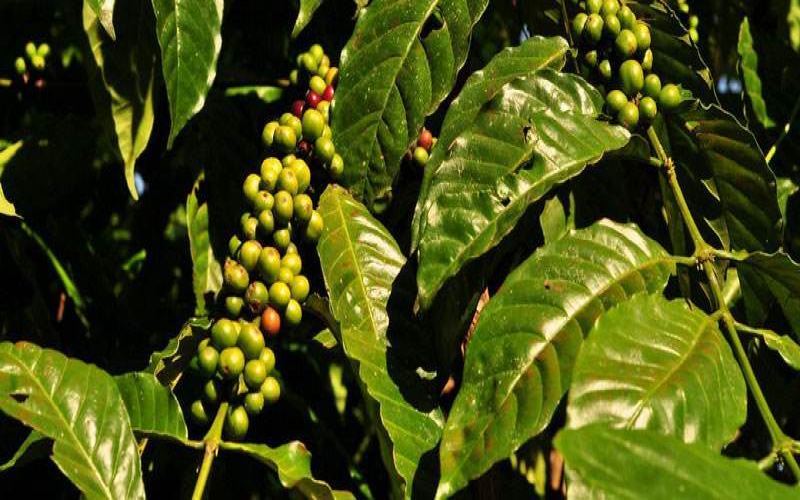
A systematic explanation of Brazil's coffee grading system and the classification of its top-tier bean grades
Brazil, as the leading country in global coffee production and exports, has a grading system that is crucial for quality control. This article approaches from the perspective of Front Street Coffee, outlining the characteristics of various Brazilian regions, with a focus on analyzing the cultivation advantages of core areas such as Cerrado. It details the evolution of Brazilian coffee varieties (such as Red Bourbon and Yellow Bourbon), innovations in processing methods (semi-washed), and systematically explains the three-dimensional grading standards based on defect rate, screen size, and cup performance, highlighting that the combination of NY.2 with 17/18 screen and FC is the top specification. Meanwhile, Front Street shares brewing methods for its own Brazilian daily coffee beans, including the use of the KONO dripper, three-stage pouring parameters, and flavor expectations for medium-dark roasted beans, providing enthusiasts with a complete guide from theory to practice. [more…]
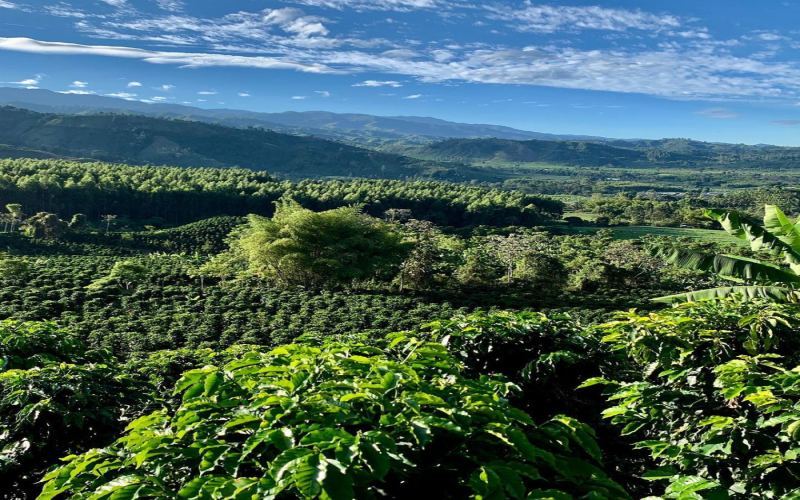
How Are Colombian Green Coffee Beans Graded? Looking at Huila Washed Caturra Through Defect Rate and Screen Size
Colombia's coffee grading system is more complex than that of most Central American producing countries. It is based not only on altitude, but also on a set of export standards built around defect rates and screen size. The Excelso grade adopted by the FNC is the highest export grade for Colombian green coffee. The burlap sacks are marked with "Excelso-Café de Colombia" and accompanied by a quality certificate. This article covers everything from the grading logic, screen size requirements, and defect deduction rules to the three most common export grades, and uses a washed Caturra from the Huila region as an example to explain green coffee traceability and cupping flavor performance, helping coffee enthusiasts understand the meaning behind Colombian green coffee labels. [more…]
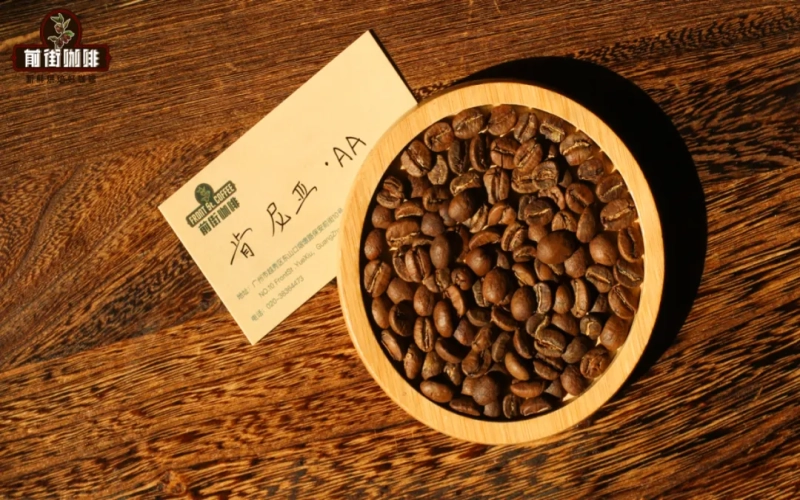
Analysis of the Differences Between AA and AB Grades of Green Coffee Beans: A Full Interpretation of Kenya's Grading System and Three Major Grading Systems
In East African coffee-producing countries, coffee bean names from Tanzania, Uganda, and even Kenya often carry the suffix AA. What exactly does this letter combination mean? It represents the grade classification of green coffee beans. However, grading methods across global coffee origins are not limited to just one type; besides bean size, there are also different standards based on defect rate, growing altitude, and more. This article will take Front Street's perspective to systematically outline the three major green coffee bean grading systems, with a focus on analyzing Kenya's strict size-based grading system—from AA, AB to PB, E, TT, T, and even MH/ML, detailing the specific classification standards for each grade, while also pointing out the obvious limitations of judging quality by size. [more…]
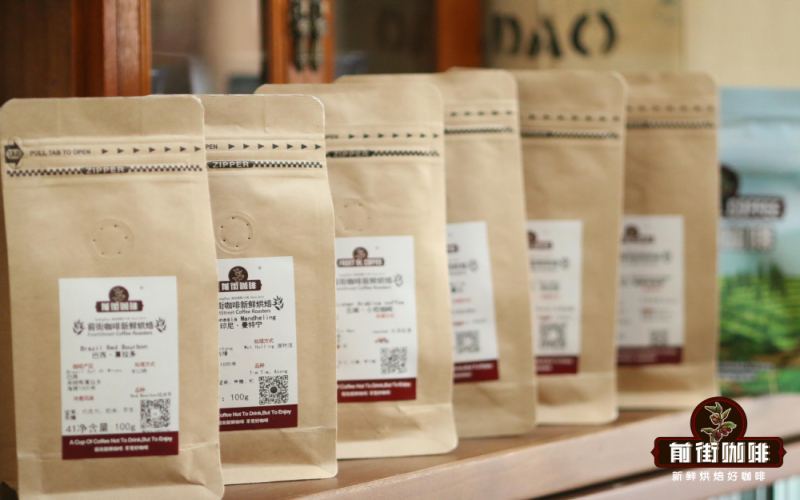
Analysis of Brazil's Three Major Coffee Bean Grading Systems and Export Standards, Plus Front Street Brand Flavor and Quality Recommendations
As the world's largest coffee producer, Brazil has a uniquely distinctive grading system that combines three criteria—defect rate, screen size, and cupping flavor—which sets it apart from the single-criteria grading methods used by most producing countries. By understanding the markings on a bag, such as "Brazil NY.2 SC – 17/18 FC Cerrado," you can quickly grasp a Brazilian bean's quality and origin information. This article will break down these three grading systems one by one, explain the six-tier classification standards for taste and flavor, and recommend two Brazilian specialty beans from Front Street Coffee—Queen's Farm Yellow Bourbon and Cerrado everyday drinking beans—to help coffee lovers find the Brazilian flavor that suits them. [more…]
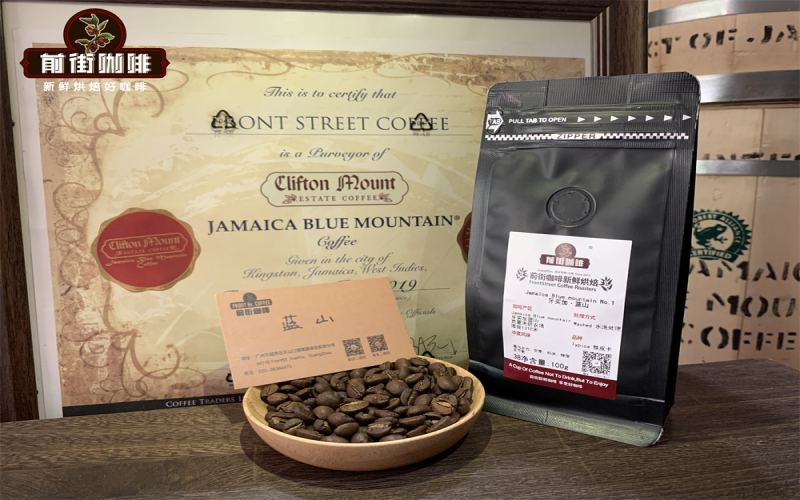
Jamaica Blue Mountain Coffee Flavor and Variety Analysis: A Complete Guide to Typica Cultivation, Washed Processing, and Grade Classification
Jamaican Blue Mountain coffee has long held its position as a benchmark in the specialty coffee world thanks to its unique flavor and scarcity. It originates from the ancient Typica variety, rooted in the volcanic soil and misty microclimate of the Caribbean's Blue Mountain range, hand-picked by local women workers on steep slopes, and washed to preserve a clean, clear cup profile. The CIB classifies Blue Mountain into four grades, among which Blue Mountain No. 1 stands as the top representative with a screen size of 17 and above, a defect rate below 3%, and a rich, balanced flavor. Front Street Coffee recommends a medium-dark roast paired with a KONO dripper for pour-over, bringing out black chocolate, nut, and almond sweetness in the finish. This article will give you a comprehensive look at Blue Mountain coffee's varietal characteristics, processing methods, and origin terroir. [more…]
A Detailed Explanation of Costa Rica's Coffee Bean Altitude Classification System and a Recommendation of Mozart Flavor Characteristics
Costa Rican coffee is world-renowned for its balanced, clean, and mild classic style. Its acidity is bright and lively, often with citrus and berry notes, and an elegant coffee floral aroma can still be detected in the aftertaste, giving off an overall serene Latin countryside vibe. Unlike many producing regions, Costa Rica's grading method does not rely on bean size or defect rate, but directly uses the altitude at which the coffee farm is located as the basis for classification, with a total of seven grades. This article will systematically sort out the specific contents of this grading system, introduce the three most common grades in the current specialty coffee market—SHB, HB, and SH—and, combined with the typical flavor performance of the Tarrazú producing region, recommend Front Street Costa Rica Mozart coffee beans, taking you to gain an in-depth understanding of this coffee country that, although small in output, enjoys an outstanding reputation. [more…]